
The Preacher's Lectionary Notebook - A Doorway Into Something New
The Resurrection of the Lord: Easter Day (Year A)

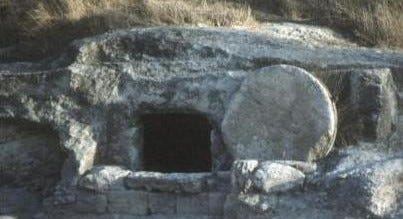
Dawn breaks quietly over a world still holding its breath. The Sabbath has passed, and the first day of the week begins not with celebration but with grief lingering in the air. Mary Magdalene and the other Mary walk toward the tomb, carrying the weight of loss and the memory of a crucified teacher whose words once stirred hope. The earth suddenly trembles beneath their feet, as if creation itself refuses to remain still. A great earthquake shakes the ground, and an angel of the Lord descends with a presence that cannot be ignored. The stone, heavy and final just hours before, is rolled away with ease. The messenger sits upon it, calm and unshaken, a quiet sign that death does not have the last word.
The guards, experienced and steeled, fall into a state of fear, unable to comprehend a reality that eludes their grasp. The women, suspended between dread and awe, receive words that transform everything. The angel reassures them with the message that there is no cause for fear, for the one who was crucified is absent. The tomb remains unoccupied, not due to any tampering by humans, but because life has triumphed over death. The invitation is straightforward. “Come and witness the place where the body once rested.” This absence conveys a message far more powerful than any presence could communicate.
The message does not stop at seeing. It moves outward, calling for action. Go quickly and tell the others. The risen Jesus is already ahead, moving toward Galilee, drawing followers forward into a future that had seemed impossible only days before. The women leave the tomb carrying both fear and great joy, a strange mixture that captures the moment perfectly. Fear lingers because something overwhelming has taken place. Joy rises because hope, once buried, is now alive.
Then, on the path between confusion and proclamation, Jesus himself appears. A greeting, familiar and steady, meets them in the midst of their racing thoughts. They respond by taking hold of his feet, grounding themselves in the reality that this is no vision or dream. Worship flows naturally, not out of obligation but out of recognition. Death has been undone, and the one they followed stands before them alive.
Again, the words come. “Do not be afraid.” The command does not erase fear entirely, but it reframes it. There is now a reason to move forward despite it. The task remains the same. Go and tell the others. The story must be carried, not hoarded. The resurrection is not a private comfort but a shared proclamation, meant to reshape understanding and redirect lives.
In this moment, everything shifts. The tomb, once a symbol of finality, becomes a doorway into something new. The women, once mourners, become messengers. The world, once shadowed by death, begins to awaken to the possibility that life is stronger than despair. The story unfolds not with grand spectacle for the powerful, but through quiet faithfulness, trembling steps, and voices willing to speak what they have seen.
FOR FURTHER EXPLORATION
What does the mixture of fear and joy reveal about encountering something truly life changing?
Why might the message of resurrection begin with simple witnesses rather than powerful figures?
How does the empty tomb reshape the meaning of hope in the face of loss?