
The Preacher's Lectionary Notebook - A Prayer of Belonging
The Seventh Sunday of Easter (Year A)

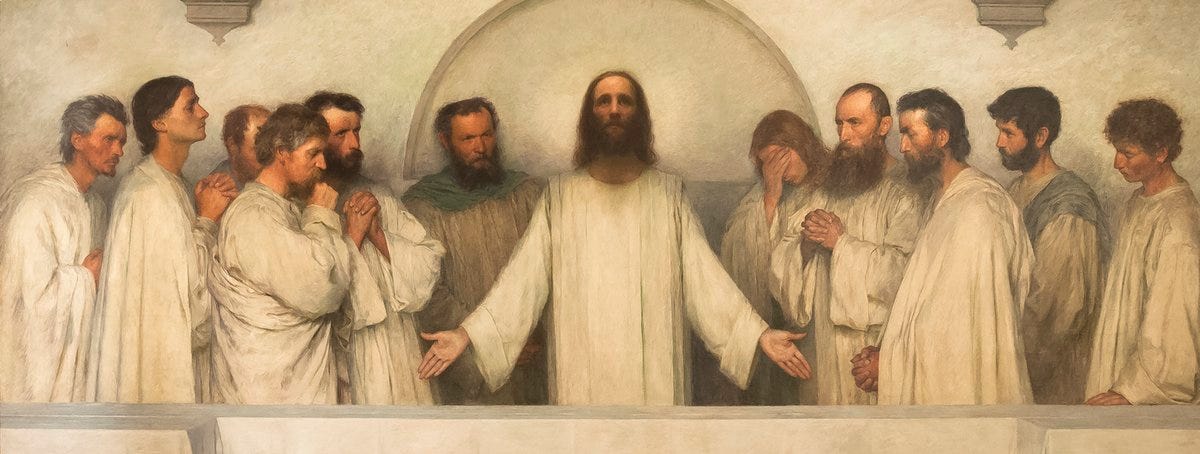
It’s late in the narrative. Jesus has been conversing with his disciples, preparing their hearts for what is to come, and now he turns away from them to speak directly to the Father. This moment feels like an intimate eavesdropping on a private conversation, akin to entering a small room where someone is praying openly and sincerely. He begins with, “Father, the hour has come.” It is the time he has been anticipating—the very essence of his teachings and guidance—is finally at hand. Yet rather than exhibiting panic or uncertainty, he expresses a remarkable blend of confidence and acceptance. He requests glorification, but the concept diverges from common notions of glory. It does not pertain to fame or status but revolves around the significance of the cross and its implications.
Jesus then associates glory with eternal life, redefining it in transformative terms. Eternal life transcends endless existence; it encompasses knowing God and Jesus whom God has sent. The term “knowing” implies a relational dynamic. It suggests that true life exists in connection, relationship, and communion with the Father through the Son. Amidst a profoundly human narrative filled with impending betrayal, fear, and suffering, Jesus reinterprets life’s essence.
The Lord reflects on his completed work, stating he has accomplished what was intended for him; however, from a human standpoint, his journey remains ongoing. This presents one of the paradoxes found in John’s Gospel: Jesus speaks as if the cross and resurrection are already realized events within a completed framework. His tone softens when he addresses the disciples; he confides that he has revealed the Father to them. These individuals are everyday people—fishermen, skeptics, those grappling with doubt—but he has made God known to them in ways that will transform their lives irrevocably.
Jesus also mentions this for their protection; he clarifies that he is not praying for the world in the same manner but rather for those whom the Father entrusted to him. While this may initially seem exclusionary, it is more accurately an expression of focus. Jesus acknowledges his impending physical departure and understands they will need support, unity, and stability during the transition. Hence, he underscores that they belong to the Father and have been entrusted into his care; it is a prayer aimed at ensuring they remain steadfast in a world that may not value their presence.
The theme of belonging permeates this passage. “They were yours; you gave them to me; they have kept your word.” Here Jesus appears to weave connections between heaven and earth—nothing about this relationship is random or coincidental. The disciples are invited into a shared existence that binds together all aspects of life lived by both Father and Son. Reading these verses leaves one feeling reassured that this is more than just a farewell prayer; it reveals what it means to be embraced by God as one faces an approaching period of sorrow.
FOR FURTHER EXPLORATION
What does it mean for eternal life to be defined primarily as knowing God and Jesus Christ rather than as duration after death, and how might that reshape theological and pastoral language about salvation?
How does the relationship between glory and suffering function in Johannine theology, especially in the way Jesus speaks of being glorified through the approaching crucifixion?
In what ways does the language of belonging in John 17:1–11, particularly the movement of giving and receiving between Father, Son, and disciples, inform a theology of community and identity within the church?