
The Preacher's Lectionary Notebook - Faith as Obedience, Not Fanfare
The Fourth Sunday of Advent (Year A)

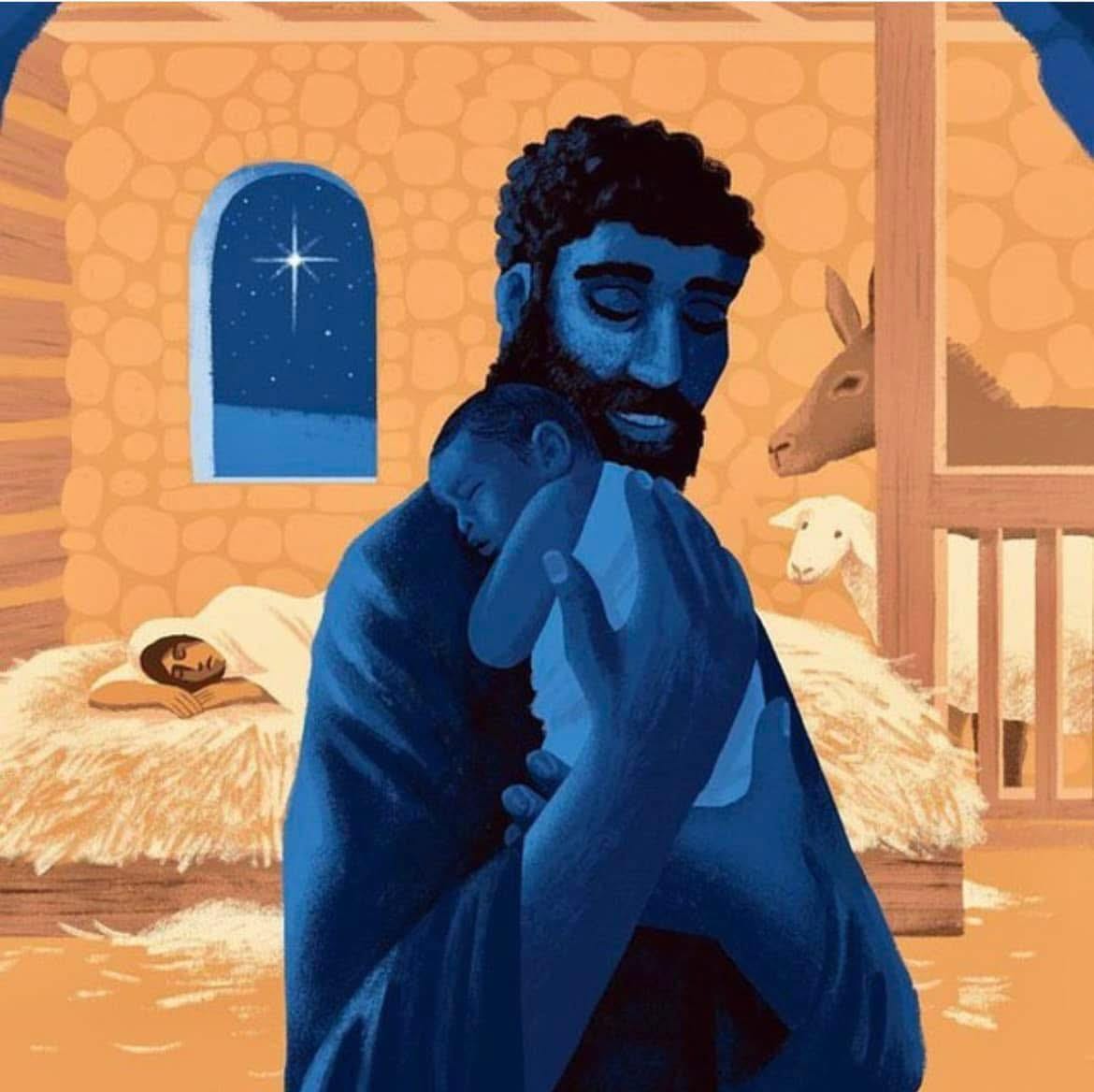
This story begins with the kind of disruption no one wants. Mary is found to be pregnant, and Joseph knows he isn’t the father. In a small community where everyone knows everyone else’s business, this is the sort of news that travels fast and hits hard. Joseph is described as righteous, which in this moment doesn’t mean stern or self-important. It means he wants to do the right thing without humiliating Mary. So he decides to break off the engagement quietly—no drama, no public shaming, just a quiet separation so both can move on with as much dignity as possible.
But before he can follow through on that plan, he has a dream. And this isn’t the kind of dream that slips away when the alarm goes off. This dream is vivid enough that Joseph wakes up with a clear sense that God has stepped into the mess. The angel tells him not to be afraid to take Mary as his wife because what’s growing inside her is from the Holy Spirit. The message cuts straight through Joseph’s confusion: this pregnancy isn’t a scandal; it’s divine intervention. Mary isn’t unfaithful; she’s been chosen. The angel even gives Joseph the child’s name—Jesus—because he will save his people from their sins. It’s a name loaded with purpose, anchoring this surprising turn of events in God’s long-promised work of rescue.
There’s also a reminder tucked into the story, quoting Isaiah—a virgin will conceive and bear a son, and his name will be Emmanuel. Matthew is careful to connect Joseph’s dream to something ancient, something that has been echoing through Israel’s hopes for centuries. Emmanuel—God with us—isn’t a poetic phrase alone. It becomes the heartbeat of the whole story. In the middle of Joseph’s plan falling apart, in the middle of Mary’s misunderstood pregnancy, in the middle of swirling worry and small-town rumors, God is quietly drawing near.
When Joseph wakes up, he doesn’t argue, overthink, or ask for a second sign. He simply does what the angel told him. He takes Mary as his wife, and when the child is born, he names him Jesus just as he was instructed. It’s a small but steady act of trust. Joseph steps into a role he didn’t ask for and probably doesn’t fully understand, but he does it anyway. There’s something grounded and honest about that—faith that looks more like obedience than fanfare.
God works not in palaces or public squares but in dreams, in private decisions, in the lives of ordinary people trying to navigate complicated situations. And through it, Matthew sets the stage for the whole gospel. God comes close, not from a distance, but right into the chaos, offering salvation and presence in ways that surprise everyone involved.
FOR FURTHER REFLECTION
How does Joseph’s quiet obedience challenge our assumptions about what faithful action is supposed to look like—especially when life takes an unexpected turn?
Where might “Emmanuel—God with us” be quietly present in the ordinary or complicated corners of life that feel more like disruption than divine activity?
What does this story suggest about how God works through misunderstood circumstances, and how might that reshape the way we respond to situations we do not fully understand?
This nails something crucial about Joseph's story. The framing of his righteousness as quiet dignity rather than public condemnation really shifts how we think about moral courage in messy situations. I remeber when a close friend faced an unexpected pregnancy and the people who helped most weren't the ones posting scripture online but the ones who showed up quietly with practical support. The way you connect obedience to presence rather than performanc gives us a much more actionable model for handling the disruptions we actually face.