
The Preacher's Lectionary Notebook - Behold the Lamb
The Second Sunday after the Epiphany (Year A)

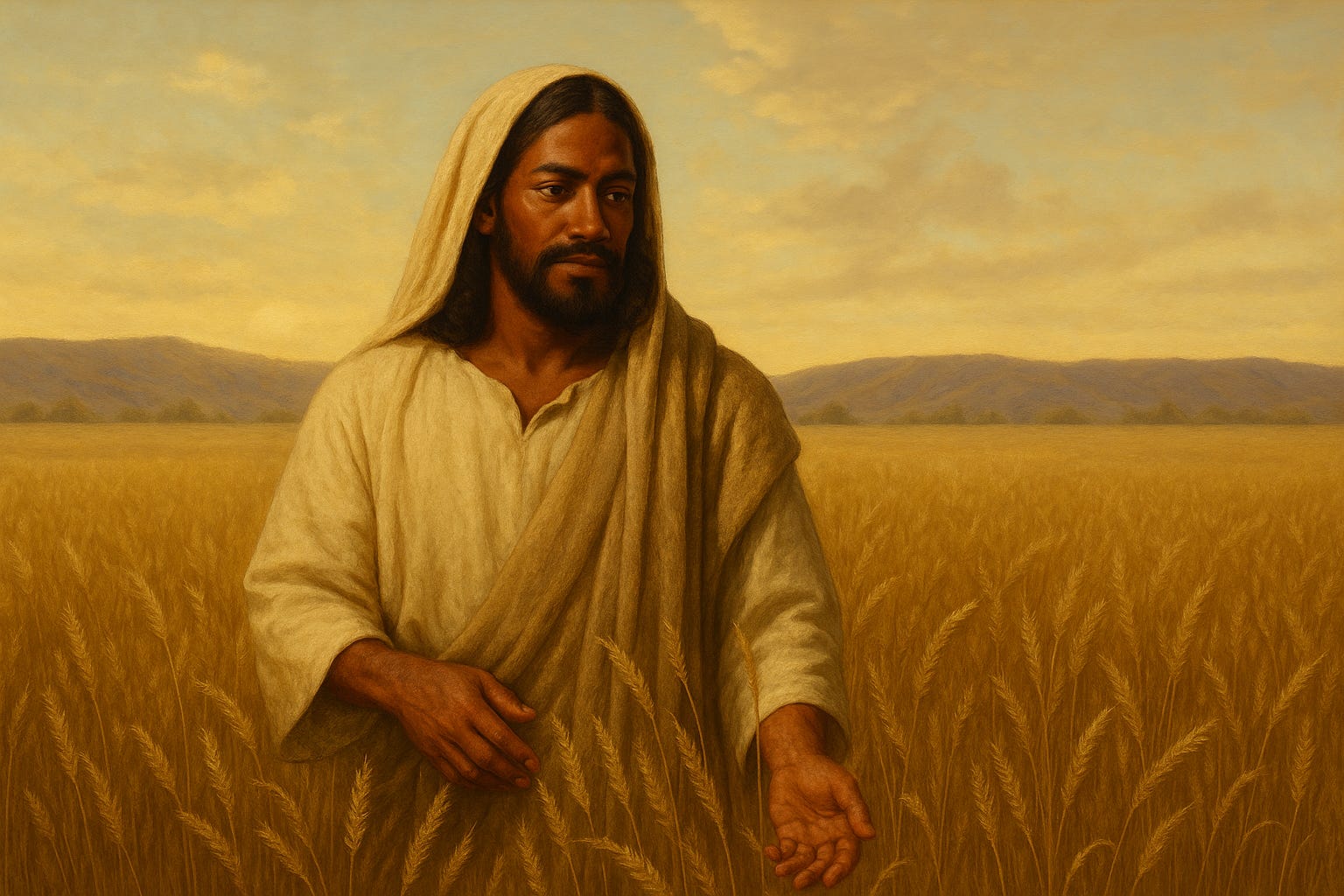
The Fourth Gospel unfolds as a carefully crafted narrative that introduces central themes while drawing the reader into the drama of recognition, witness, and response. Coming immediately after the prologue and John the Baptist’s initial testimony to the priests and Levites, this passage marks a decisive turn from cosmic theology to lived encounter. The Word who was with God and was God now appears in the narrative world as a particular man walking toward the Jordan. The Baptist’s cry, “Behold, the Lamb of God who takes away the sin of the world,” functions not only as an identification of Jesus but as a theological summary of the Gospel’s vision. From the outset, Jesus is framed as God’s decisive answer to the world’s brokenness, not through political power or military force, but through self-giving love that will culminate in the cross.
John the Baptist consistently refuses to be the center of attention. In this passage, his role as witness reaches its climax. He points away from himself and toward Jesus, embodying the Gospel’s insistence that true testimony directs others to encounter Christ for themselves. The Baptist’s declaration that he has seen the Spirit descend and remain on Jesus ties this scene to the Gospel’s broader emphasis on seeing and believing. Knowledge of Jesus is not derived from speculation, but from revelation granted by God and confirmed through experience. The Spirit’s abiding presence anticipates Jesus’ later promise that the Spirit will remain with the disciples, guiding them into truth.
As the narrative moves from proclamation to personal encounter, two of John’s disciples hear his testimony and follow Jesus. The Gospel does not describe their inner thoughts or emotions in detail; instead, it focuses on movement. They hear, they follow, they stay. Jesus’ first spoken words in the Gospel narrative—“What are you seeking?”—establish a question that will echo throughout the entire book. John consistently portrays discipleship as a matter of desire and orientation. To follow Jesus is to be confronted with one’s deepest longings and to be invited into a relationship rather than a program or ideology. Jesus’ response, “Come and see,” captures the Gospel’s invitational character. Truth is not simply asserted; it is discovered through abiding presence.
The naming of Andrew and the unnamed disciple reinforces the Gospel’s concern with testimony that multiplies. Andrew, having encountered Jesus, immediately seeks out his brother Simon and brings him to Jesus. This pattern of encounter leading to witness recurs throughout the Gospel, from the Samaritan woman to the healed man born blind. Faith spreads not through coercion but through personal invitation grounded in lived experience. When Jesus renames Simon as Cephas, or Peter, the narrative hints at transformation. In the Fourth Gospel, to encounter Jesus is to receive a new identity shaped by relationship with him.
Placed within the larger context of the Gospel, John 1:29–42 functions as a narrative overture. Themes of witness, seeing, abiding, and mission are introduced in miniature form. The passage insists that recognition of Jesus is both gift and response—God reveals, witnesses testify, and individuals are invited to come and see. The Lamb who takes away the sin of the world is first recognized not by the powerful but by those willing to listen, follow, and stay. In this way, the passage sets the trajectory for the Gospel’s unfolding story of how the light shines in the darkness and draws people into its life.
FOR FURTHER EXPLORATION
How does John the Baptist’s role as witness in John 1:29–34 shape the Fourth Gospel’s understanding of authority and leadership, especially in contrast to more power-centered models of influence?
What does Jesus’ question, “What are you seeking?” reveal about the nature of discipleship in the Fourth Gospel, and how does this question continue to frame encounters with Jesus throughout the narrative?
In what ways does the pattern of encounter leading to testimony in John 1:35–42 anticipate the Gospel’s later stories of belief and rejection, and what does this suggest about how faith spreads—or fails to spread—in the Johannine community?