
The Preacher's Lectionary Notebook - A Tent Pitched Among Us
The Second Sunday after Christmas (Year A)

John opens the Gospel not with a manger or a genealogy, but with eternity. Before there is a story to tell about Jesus walking dusty roads or sitting at tables with sinners, the writer pulls the reader back behind creation itself. “In the beginning was the Word.” That phrase is deliberate, echoing Genesis, but John is not simply retelling the creation story. He is reframing it. The Word is already there when “the beginning” begins, already in relationship with God, already fully God. This is not a created messenger or a poetic idea. The Word is personal, living, and active, the very agent through whom everything that exists comes into being.
The Word is described as life and light. Life is not biological existence alone, but the source and meaning of life itself. Light is not a vague spiritual glow, but truth that exposes and gives clarity. The darkness is real in John’s world—confusion, violence, sin, resistance to God—but it does not overcome the light. That tension sets the stage for the Incarnation. The world God made is broken, yet God does not abandon it. Instead of shouting from heaven or sending another prophet, God comes personally.
John pauses briefly to mention John the Baptist, who is careful to say that he is not the light, only a witness to it. This distinction matters. The Incarnation is not about human greatness or religious achievement. Even the greatest prophet steps aside so that the light itself can be seen. The tragedy, however, is that when the true light comes into the world, the world does not recognize him. The Creator steps into creation, and creation responds with indifference and rejection. Yet John insists this rejection is not the final word. Those who receive him are given power to become children of God, not by bloodline, effort, or religious pedigree, but by God’s own initiative.
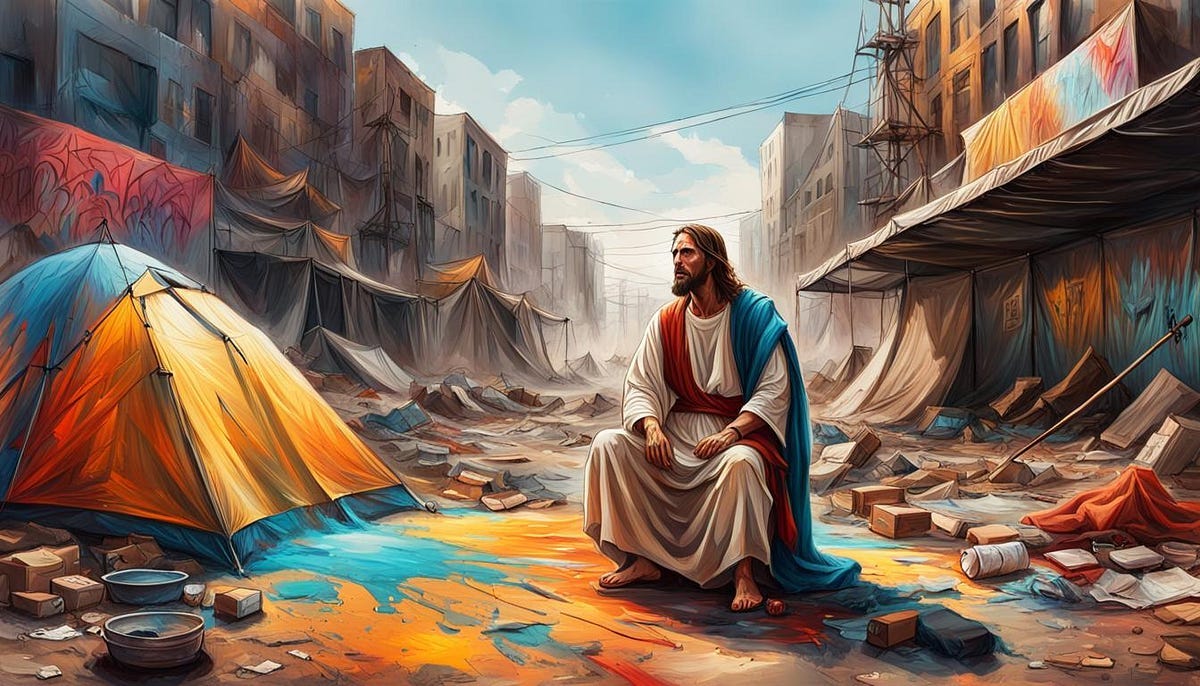
Then comes the heart of the passage and the heart of Christian faith—“The Word became flesh and lived among us.” The eternal Word does not merely appear human or visit temporarily. The Word becomes flesh, taking on the full vulnerability of human life. John’s language is earthy. The great New Testament scholar, J.B. Philips wrote that the Word, in becoming flesh, “pitched a tent” among humanity, echoing the tabernacle where God’s glory once dwelled in Israel’s wilderness. Now that glory is no longer hidden behind curtains or rituals. It is visible in a human life. The Incarnation means God’s glory is revealed not in powerful displays, but in grace and truth embodied.
Yes, this glory is “full of grace and truth,” a phrase that recalls God’s self-description to Moses. What Moses glimpsed partially, Jesus embodies completely. From his fullness, grace keeps flowing, one gift after another. The law came through Moses, good and necessary, but limited. Grace and truth come through Jesus Christ, not replacing the law so much as fulfilling and surpassing it by revealing God’s heart. The Incarnation culminates in revelation. No one has ever seen God, but the one who is close to the Father’s heart has made him known. In Jesus, God does not remain an abstract concept. God takes on a face, a voice, and a life, inviting the world not just to believe ideas about God, but to encounter God in the flesh.
FOR FURTHER EXPLORATION
What does it mean for faith and discipleship that God chose to be known through flesh and vulnerability rather than power and distance?
In what ways does John’s claim that “the Word became flesh” challenge modern tendencies to spiritualize Jesus or reduce him to an idea rather than a lived, embodied presence?
How does understanding Jesus as the full revelation of God’s grace and truth reshape the way Scripture, law, and daily obedience are approached?