
The Preacher's Lectionary Notebook - Called, Chosen, and Covered in Grace
The Second Sunday after the Epiphany (Year A)

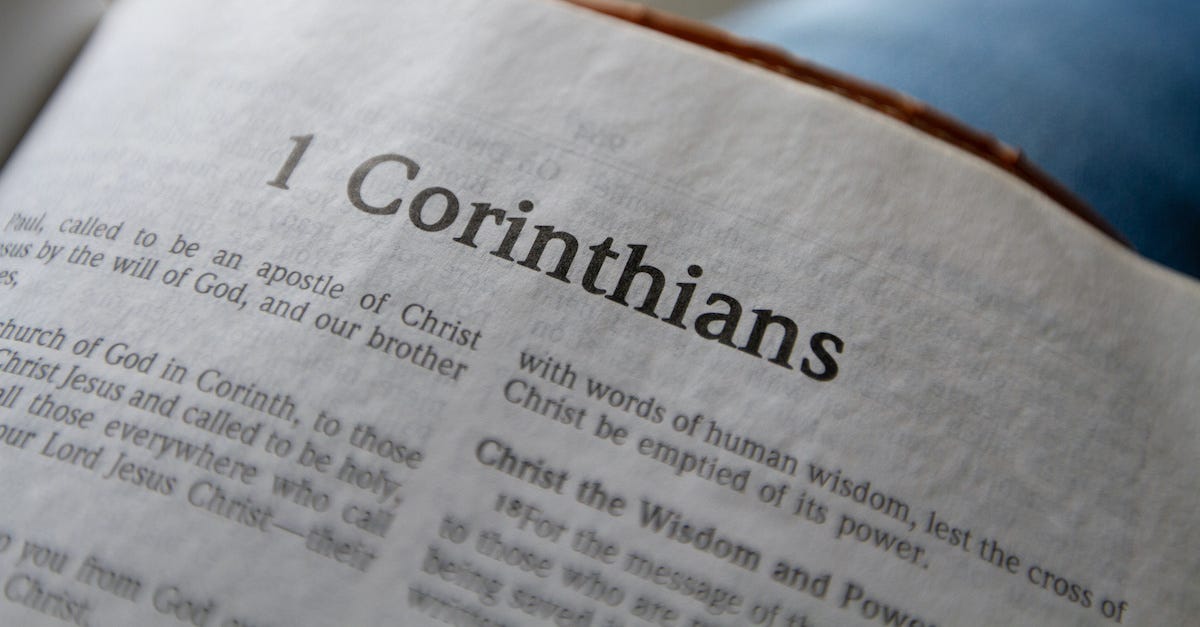
Paul opens his letter to the Corinthians by immediately grounding himself in who he is and why he’s writing. He starts with the standard introduction—“Paul, called to be an apostle of Christ Jesus by the will of God”—but even in these first few words, there’s a sense of authority mixed with humility. He isn’t claiming this title for personal glory; he’s reminding the Corinthians that his authority is not self-made. It comes from God’s will. This is important because, as he’ll later address in the letter, the Corinthian church was starting to get caught up in human comparisons, status, and factions. Right away, he signals that the foundation of his message is divine, not human. Then he mentions Sosthenes, likely a fellow believer and co-worker. It’s a small detail, but it shows Paul isn’t working alone—ministry, even in its earliest stages, is communal. He’s not presenting a solo act; he’s part of a larger God-directed mission.
Next, Paul shifts to his audience: “To the church of God in Corinth, to those sanctified in Christ Jesus and called to be his holy people.” He’s careful here to address them as God’s people first. This is not just a polite greeting; it’s a theological reminder. Despite their struggles, divisions, and moral failures, they belong to God. He calls them “sanctified,” which literally means “set apart.” They are part of a bigger story, chosen and called for God’s purposes. And he doesn’t stop there—he emphasizes their identity in Christ. Whatever else is going on in their lives, their ultimate status is secure because it rests in God’s call, not in their performance.
Paul then dives into a tone of gratitude and encouragement. “I always thank my God for you because of his grace given you in Christ Jesus.” This isn’t a perfunctory line. Paul is modeling what it means to look at others through a lens of grace. He’s thankful that, despite their messiness, God has gifted them richly. These gifts aren’t just about spiritual abilities or charismatic talents—they’re about the very essence of God’s presence in their lives—the message they’ve received, the hope they live in, the endurance they can display, and the faithfulness that God will provide.
He wraps up this opening section with reassurance. God, he says, “will also keep you firm to the end, so that you will be blameless on the day of our Lord Jesus Christ.” In other words, their calling and their salvation are not temporary or fragile. God is actively sustaining them, not leaving them to their own devices. And then comes a line that almost hums with warmth: “God is faithful, who has called you into fellowship with his Son, Jesus Christ our Lord.” The Corinthians may have argued, stumbled, or felt divided, but the ultimate reality is God’s faithfulness. They are invited into a lasting relationship with Christ, one that transcends their petty squabbles and human weaknesses. Even in these first nine verses, Paul sets the tone for the rest of the letter. God’s grace is central, Christ is supreme, and the church is called to live in the reality of that unshakable foundation.
FOR FURTHER EXPLORATION
How does Paul’s assertion of his divinely appointed authority balance with his humility, and what implications does this have for how leaders in the church today should exercise authority?
In what practical ways can the Corinthians’ identity as “sanctified” and “called” shape how they navigate internal divisions and moral struggles within the church?
Paul emphasizes both God’s faithfulness and the gifts given to believers. How do these two truths—God’s sustaining power and the spiritual gifts of the community—work together to strengthen the church’s mission and unity?